Medically Tailored Meals Lowered Blood Sugar and Blood Pressure — What a 110-Person Study Found
Eight months of home-delivered meals designed around their conditions — plus dietitian counseling and a heart-health cooking curriculum — was tied to a half-point drop in average blood sugar and about 4 points off both blood-pressure numbers in 110 New York City adults averaging 63, all living with type 2 diabetes and high blood pressure. The preliminary research, presented November 2, 2026 at the American Heart Association's Scientific Sessions 2026 in Chicago, also found diet quality improved and food security more than doubled. It is a genuinely encouraging result with an honest catch at its center: nobody in the study went without meals, so it cannot prove the meals themselves caused the change.
Why the question matters
"Food is medicine" programs — meals designed by dietitians for a specific medical condition and delivered to the home — have mostly been offered to people with advanced or terminal illness. The people in this study were different: adults with type 2 diabetes and high blood pressure who do not currently qualify for such programs because their disease is not advanced enough. The researchers, from Columbia University, wanted to know whether intervening earlier — before the disease progresses — could still move the numbers that matter. The stakes are large: more than half of U.S. adults live with two or more chronic health conditions, more than half eat a poor-quality diet, and food insecurity affected nearly 14% of U.S. households in 2024. If a meals program works earlier in the disease course, it could prevent worsening health rather than only softening its end stage. But these programs are also expensive, which is why the study tested a cheaper version alongside the full one.
How the study worked
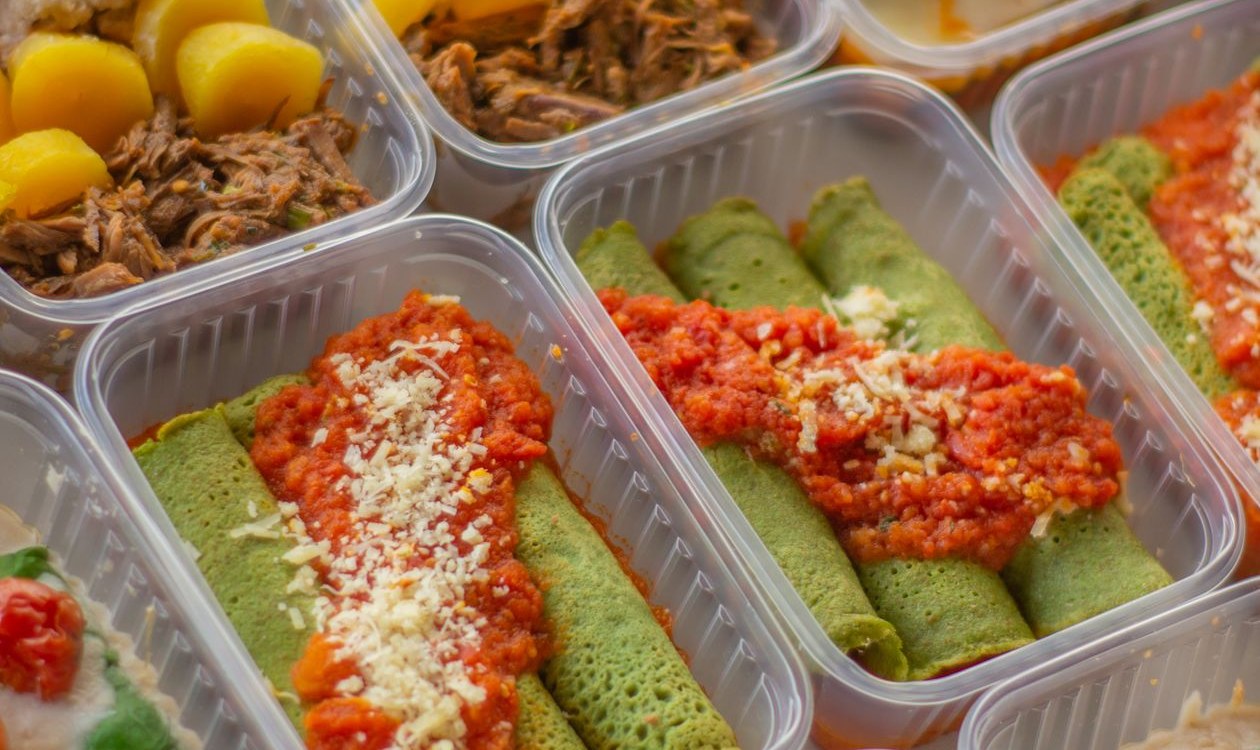
The study, led by Nour Makarem, Ph.D., of Columbia University Irving Medical Center and funded through the American Heart Association's Health Care by Food initiative, ran between 2024 and 2026 in New York City, with participants recruited from neighborhoods with high rates of chronic disease and premature death. The 110 participants averaged 63 years old; 68% were women, 47% identified as Hispanic and 43% as Black. Everyone received home-delivered medically tailored meals for eight months, but in two different "doses": half got the standard dose — 10 meals a week for all eight months — while the other half got 10 meals a week for the first three months, then one fewer meal per month, ending at five meals a week in the final month. Crucially, both groups also received nutrition counseling with a dietitian and an interactive heart-health education program built around the AHA's Life's Essential 8, including culturally responsive cooking demonstrations, fresh produce, and healthy seasonings to support cooking at home. Blood sugar (HbA1c), blood pressure, diet quality, and food security were measured at the start and again at eight months.
The findings, plainly
- Blood sugar fell about 0.5 percentage points. HbA1c — the marker of average blood sugar over months — dropped by about 0.5% across the participants. A half-point A1C drop is the kind of change clinicians consider meaningful, and it is an average across the group, not a promise for any one person.
- Blood pressure fell about 4 points on both numbers. Systolic pressure dropped 3.7 mm Hg and diastolic 4.1 mm Hg — roughly 4 points each. For context, a sustained 4-point drop in systolic pressure is associated with a real, if modest, reduction in heart-event risk at the population level.
- Diet quality improved by about 3 points. On a scale measuring alignment with a heart-healthy, Mediterranean-style eating pattern, participants improved by 3 points (3.15 in the detailed report) — the meals came with teaching on how to keep eating that way at home.
- Food security more than doubled. Using a six-item USDA food-security scale, participants had more than twice the odds of achieving a higher food-security status after eight months than at the start — the program did not just change what people ate, it changed whether they could reliably get healthy food at all.
- Tapering the meals cost nothing. There was no significant difference in outcomes between the full-dose group and the group whose meals were gradually cut from 10 to 5 a week — as long as the heart-health curriculum and counseling continued. That is the finding with the biggest practical consequence: a cheaper, tapered program may stretch the same budget to more people.
- Both groups improved — and that is also the limitation. The study compared two doses of the same program, not meals against no meals. Every improvement above is a change from each group's own starting point, so the design cannot separate the effect of the meals from the counseling, the cooking classes, or simply being in a supported program.
What it doesn't prove
Four honest caveats. First, and biggest: there was no group that received no meals, so the study cannot prove the meals caused the improvements — the counseling, cooking demonstrations, fresh produce, and attention that came with the program could each have contributed, and the design cannot tell them apart. Second, this is a conference abstract, not a peer-reviewed paper: the findings are preliminary until a full manuscript is published, and abstracts are curated by review panels rather than put through full peer review. Third, it was a single site in New York City with 110 people recruited from high-burden neighborhoods — the results may not apply in other places or populations, and the authors themselves say larger, multi-site trials are needed. Fourth, the follow-up lasted only eight months, so there is no evidence yet on whether the gains last once the meals and the program end. And a practical note: these were medically tailored, dietitian-designed meals — not the same thing as ordering a commercial meal kit.

What it means after 40
For adults in their 40s, 50s, and 60s living with type 2 diabetes and high blood pressure, the practical message is twofold. If a medically tailored meal program exists in your area — many run through Medicaid or Medicare Advantage plans, and eligibility is expanding — it is worth asking your clinician whether you qualify; the study's lead author argues for expanding eligibility and clinician referral pathways precisely because the benefit showed up in people whose disease was not yet advanced. And the taper finding matters for everyone watching the cost question: fewer delivered meals plus teaching people to cook for themselves worked as well as the full dose, which is how a program like this could reach more people on the same budget — the AHA's own scientific lead on the initiative called that the key to making it sustainable and scalable. For the rest of us, the pattern that moved the numbers was a Mediterranean-style eating pattern plus support to actually follow it — not a delivery box on its own. Do not read this as "order meal delivery and your A1C will drop": the meals were designed for the condition, delivered with a dietitian, and the study itself cannot prove the meals alone did the work. What it does show is that food support, delivered earlier and paired with teaching, is a promising way to help people with two of the most common conditions after 40 — and that it deserves the bigger, controlled trial that comes next.
Sources
American Heart Association newsroom, "Medically tailored meals improved high blood pressure, Type 2 diabetes and diet in adults," November 2, 2026 — preliminary research presented at the American Heart Association's Scientific Sessions 2026, Nov. 6–9, Chicago (110 adults, average age 63, 68% women, 47% Hispanic, 43% Black, with type 2 diabetes and high blood pressure; New York City, 2024–2026; 8-month program, standard dose 10 meals/week vs taper from 10 to 5 meals/week; both arms received dietitian counseling and a heart-health curriculum including Life's Essential 8, cooking demonstrations, fresh produce and seasonings; diet quality improved ~3 points on a Mediterranean-style scale; food security more than doubled; HbA1c fell ~0.5%; systolic and diastolic blood pressure each fell ~4 mm Hg; no difference between arms; research abstract, not peer-reviewed; single site; funded by the AHA's Health Care by Food initiative). AHA news release.
HealthDay News (via Gastroenterology Advisor), "AHA: Medically Tailored Meals Beneficial for Adults With T2DM, High BP," November 2026 — precise figures: Mediterranean Eating Pattern for Americans score improved 3.15 points at eight months; HbA1c down 0.5%; systolic BP down 3.7 mm Hg and diastolic down 4.1 mm Hg; effects did not differ significantly between the two arms; participants did not currently qualify for medically tailored meals because their disease was not advanced enough. HealthDay report.
Medical News Today, "Can medically tailored meals improve diabetes management?" November 3, 2026 (single New York City site; 110 participants; conference abstract, not peer-reviewed; findings preliminary until published in a peer-reviewed journal). Medical News Today.
Medical Daily, "Medically tailored meals: diabetes, blood pressure study," November 2026. Medical Daily.
Studies cited · Evidence summarized, not medical advice
Keep Going
▶️ Watch the videos: Health After 40 Science on YouTube
🌐 Guides, reviews & free checklists: healthafter40science.com
📚 The Health After 40 Bundle — all five guides in one: get the bundle
Get the Free Weekly Email: