5g of Daily Fiber Cut Systolic Blood Pressure ~11 Points — But the Fiber Type Didn't Matter
In a new 2026 trial, adults with type 2 diabetes and hypertension who added a modest 5 grams of fiber a day saw their systolic blood pressure fall by about 11 points over 12 weeks. The twist: it didn't matter which kind of fiber they took. Here's the honest read of what that actually tells us.
How the study worked
The analysis, published September 8, 2026 in Nutrients, was a secondary look at a 12-week, randomized, double-blind, parallel-group clinical trial. Thirty-five adults with both type 2 diabetes and hypertension — mean age 50.7, 77% women — were assigned to receive either 5 grams per day of oat β-glucan (a soluble fiber) or 5 grams per day of microcrystalline cellulose (an insoluble fiber).
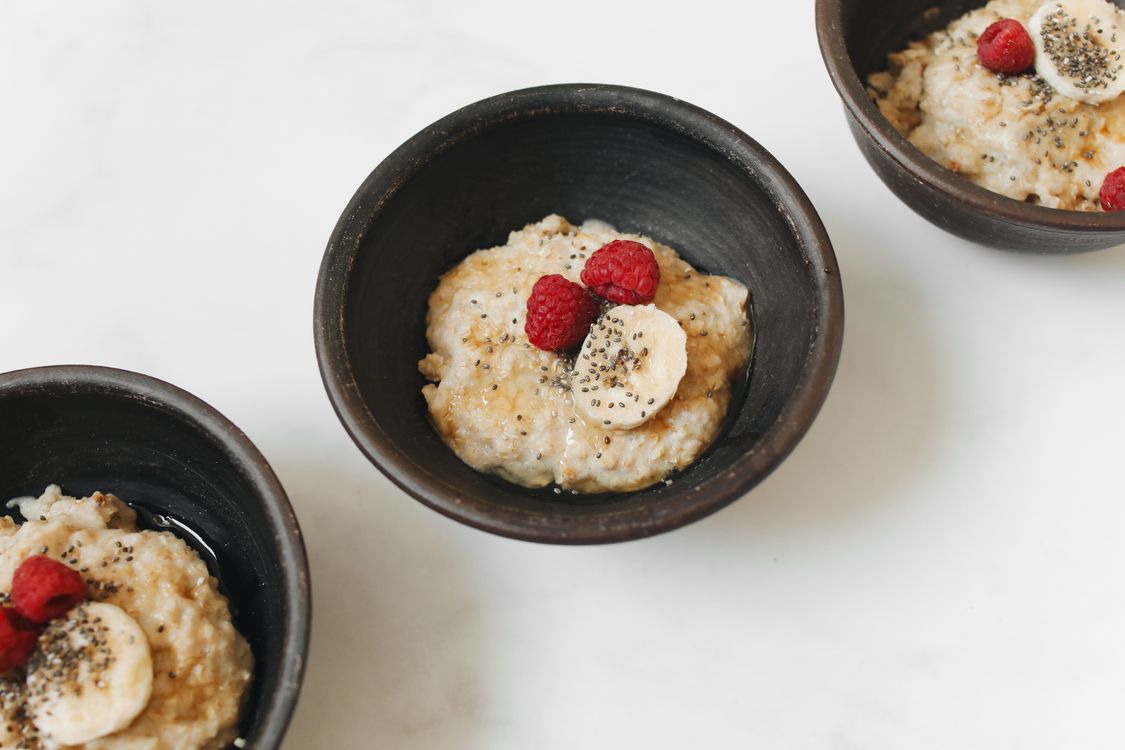
Blood pressure, gut microbiota composition (via qPCR), and inflammatory biomarkers were measured at baseline and after the 12-week intervention. The researchers' main question was whether soluble and insoluble fiber differ in their blood pressure effects — and whether gut-bug changes tracked with the results. Five grams is a modest dose: roughly what you'd get from a single bowl of oatmeal or a solid serving of lentils.
The findings, plainly
- Systolic blood pressure fell in both groups. The soluble-fiber group dropped 11.2 mmHg and the insoluble-fiber group dropped 11.6 mmHg — with no statistical difference between the two (p = 0.965). The trial's headline question — which fiber type is better? — came back: both the same.
- The gut-bug connection is intriguing but fragile. In the soluble-fiber group, increases in Firmicutes and Bifidobacterium abundance correlated strongly with changes in diastolic blood pressure (both r = 0.90). The authors themselves call these findings exploratory.
- The big catch: no placebo group. Because everyone received fiber and both arms improved equally, this study cannot prove the fiber caused the blood pressure drop. Trial participation alone, regression to the mean, or other lifestyle shifts could explain part of it. The authors state plainly that placebo-controlled studies are required to confirm the effect.
What it doesn't prove
Three honest caveats. First, 35 people is a small trial, and 12 weeks is short — and because there was no no-fiber control arm, this is an association, not proof of causation. Second, participants all had both type 2 diabetes and hypertension with a mean age of about 51 — the results don't automatically apply to healthy adults, people with normal blood pressure, or much older adults. Third, this is not a reason to adjust blood pressure medication: fiber here is a possible helper alongside treatment, never a substitute. Talk to your own clinician before changing anything about your blood pressure care.
What it means after 40
The practical takeaway survives the caveats: adding a modest 5 grams of daily fiber — from oats, beans, lentils, vegetables, or whole fruit — is cheap, safe, and easy, and this trial adds to the pattern linking higher fiber intake with lower systolic pressure in high-risk adults. The trial also quietly deflates the fiber-type wars: soluble and insoluble performed identically here, so don't stress about which kind you're getting. Just get more of it — consistently, for weeks, alongside whatever treatment plan you and your clinician already have.
Sources
"Dietary Fiber Supplementation Reduces Systolic Blood Pressure in High-Risk Patients with Type 2 Diabetes and Hypertension: A Secondary Analysis of a Randomized Trial," Nutrients 18(18):2945, published September 8, 2026. Full abstract and study details.
Study cited · Evidence summarized, not medical advice
Keep Going
▶️ Watch the videos: Health After 40 Science on YouTube
🌐 Guides, reviews & free checklists: healthafter40science.com
📚 The Health After 40 Bundle — all five guides in one: get the bundle
Get the Free Weekly Email: