Three or More Social Activities Linked to Sharper Thinking in 57,793 Adults
Most brain-health advice after 40 is about what you eat or how you move. This one is about who you spend time with — and how many different ways you do it. A large international study published in the Journal of Epidemiology & Community Health in October 2026 pooled long-term data from 57,793 adults across 24 countries and found a clear dose-response pattern: the more kinds of social activities people regularly took part in, the better their memory and thinking held up over time. Those who took part in three or more kinds of activities showed the strongest protection. Volunteering and sports club membership stood out — they were linked to a lower risk of cognitive decline in every one of the five country groups studied. It is an observational finding, so it cannot prove that joining a club keeps your brain sharp. But it is the first analysis of its kind at this scale, and the pattern held up across five different countries' worth of data.
How the study worked
Researchers from Shandong University and Guangdong Medical University in China drew on five nationally representative aging surveys spanning 24 countries: the US Health and Retirement Study (2010–21), the English Longitudinal Study of Ageing (2008–19), the China Health and Retirement Longitudinal Study (2011–18), the Mexican Health and Ageing Study (2012–18), and the Survey of Health, Ageing, and Retirement in Europe (2011–20). In total, 57,793 participants were included. Their average age ranged from 57 to 73 depending on the survey, and they were followed for an average of six years. At each survey wave, participants were asked what types of social activities they took part in, and their cognitive performance was tested with memory and executive-function tasks. The results were combined into a global cognitive function score, with higher scores meaning better performance.
The researchers then compared people by how many different kinds of activities they reported — from none up to three or more — and tracked how their scores changed year by year. Because the same design was run across five separate surveys, they could check whether a finding showed up in one country group or in all of them. Dementia, which is preceded by cognitive impairment, is estimated to affect nearly 153 million people by 2050, the researchers note — one reason earlier, smaller studies on social activity and the brain had left the question unsettled.
The findings, plainly
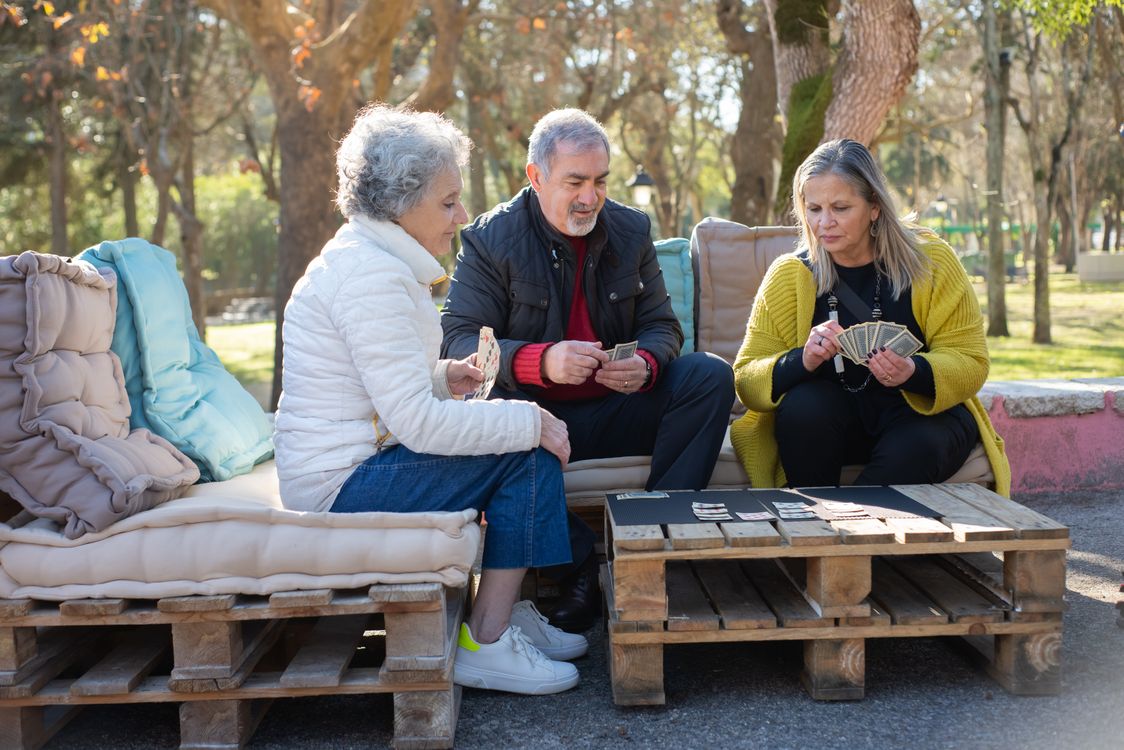
- More kinds of activities, better scores — a dose-response pattern. People who engaged in social activities had significantly higher cognitive scores than those who did not, and the scores rose in tandem with the number of activities. Those taking part in three or more kinds of activities had the greatest apparent protection against impairments in memory and executive function, with higher yearly cognitive scores during follow-up than people who took part in none.
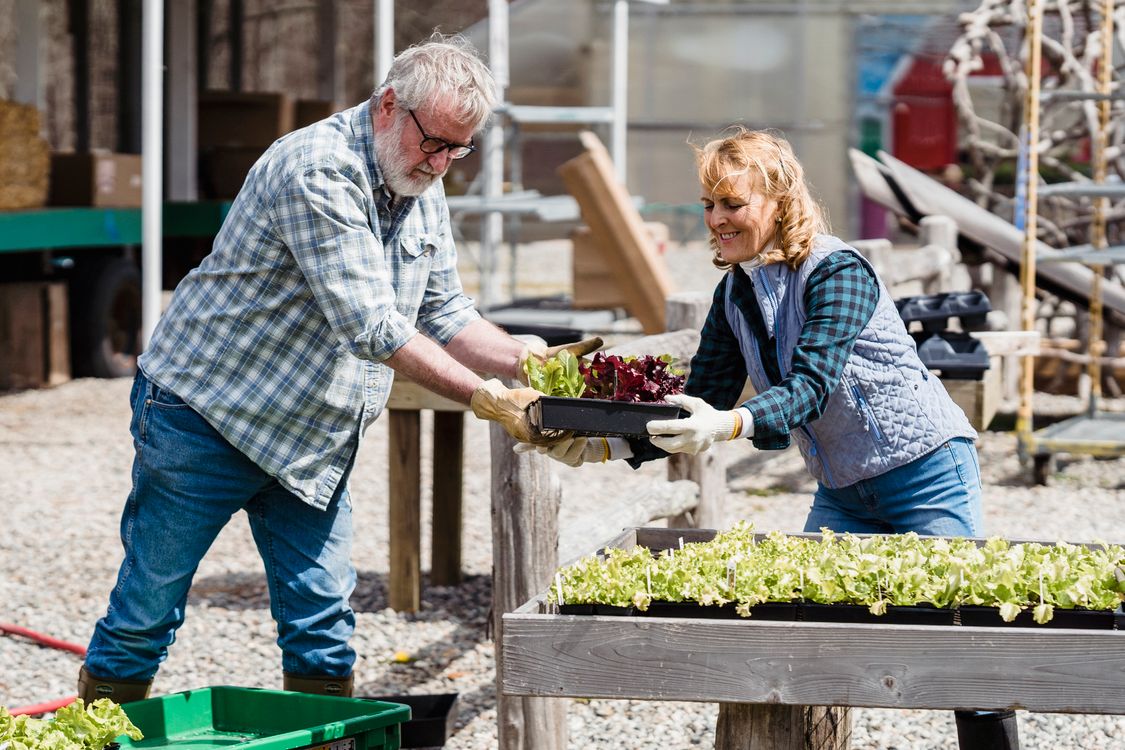
- Two activities stood out everywhere. Volunteering and sports club membership were associated with a lower risk of cognitive decline across all five survey groups — the most consistent result in the study.
- Classes and grandchild care helped too. Attending training courses and taking care of children were significantly associated with higher cognitive scores year on year.
- Not every group activity counted the same. Active involvement in political, community, church, and religious groups was not consistently associated with better cognitive scores — a useful reminder that "being social" is not one thing.
- The link was strongest for some groups. The positive associations were stronger among women, people aged 60 and older, and those with higher levels of education — and also among people who were not depressed, who lived alone, who were of normal weight, and who lived in rural areas.
What it doesn't prove
Four honest caveats. First, this is an observational study: it shows that socially active people kept sharper thinking, not that the activities caused it. Healthier, sharper people may simply be more likely to join clubs and volunteer — the study cannot rule that out. Second, the five surveys were not identical: the researchers acknowledge a lack of standardization across them, only partial adjustment for other influential factors, and a focus on the quantity of activities rather than their quality, motivation, or how much people enjoyed them — all of which may matter just as much. Third, the researchers themselves say it is not entirely clear how social activities might protect the brain. The leading explanations are plausible but unproven: the "use it or lose it" idea that stimulating activity strengthens neural connections; the possibility that meaningful activity improves psychological well-being, which may in turn ease chronic stress on the hippocampus, a memory center; and the known fact that more education builds resilience to age-related brain change. Fourth, the participants were mostly in their late 50s to early 70s, so the findings speak most directly to that age band — not to people in their 40s, and not to people who already have dementia.
What it means after 40
If you are in your 40s or 50s, this study was not run on your age group — but the pattern it found fits with everything else we have covered on this blog: the structured lifestyle program that beat basic health advice by 55% for cognition, the MIND diet, the peanut trial. Brain health after 40 is not one habit; it is a stack, and social variety looks like a real layer of it. The practical takeaway is refreshingly concrete: aim for three or more different kinds of regular social activity, not just more of the same one. A weekly card game plus a volunteer shift plus a class or a sports club is the shape of what the data rewarded. And if you had to pick two, the study's most consistent winners were volunteering and joining a sports or exercise club — both of which also happen to get you moving and out of the house. None of this is a prescription, and none of it replaces the basics of sleep, movement, and blood-pressure control. But it is a useful nudge: the calendar you keep may matter to your brain as much as the plate you fill. The researchers put it plainly — their results "underscore the importance of developing and implementing targeted interventions aimed at promoting diverse and sustained social engagement among older adults."
Sources
"Association between social activity and cognitive enhancement among older adults: results from five longitudinal cohort studies," Journal of Epidemiology & Community Health 2026, published online October 20, 2026, DOI: 10.1136/jech-2025-225670 (57,793 participants; five nationally representative cohorts across 24 countries — US Health and Retirement Study 2010–21, English Longitudinal Study of Ageing 2008–19, China Health and Retirement Longitudinal Study 2011–18, Mexican Health and Ageing Study 2012–18, Survey of Health, Ageing, and Retirement in Europe 2011–20; average age 57–73; average follow-up six years; global cognitive function z-scores from memory and executive-function tests; three or more activity types afforded the greatest protection against memory and executive-function impairment; volunteering and sports club membership associated with lower risk of cognitive decline across all five cohorts; training courses and caring for children associated with higher yearly z-scores; political, community, church, and religious group involvement not consistently associated; stronger associations in women, those aged 60+, and those with higher education; observational — cannot establish cause; researchers from Shandong University and Guangdong Medical University). Institutional release via Phys.org / BMJ, "Diverse and sustained social activities may boost cognition in older age" (October 20, 2026) (dose-response quote: "greater participation in social activities was associated with progressively stronger protective effects on cognitive function"; dementia estimated to affect nearly 153 million people by 2050). Independent coverage: Nursing Times, "Three or more social activities 'protect' against cognitive decline" (October 26, 2026); ScienMag, "Social activities linked to better cognition across 24 countries".
Studies cited · Evidence summarized, not medical advice
Keep Going
▶️ Watch the videos: Health After 40 Science on YouTube
🌐 Guides, reviews & free checklists: healthafter40science.com
📚 The Health After 40 Bundle — all five guides in one: get the bundle
Get the Free Weekly Email: