Peanuts Every Day Changed How Memory Regions Respond to Insulin
Insulin is not just a blood-sugar hormone. In the brain it acts as a signaling molecule that supports the growth and survival of nerve cells and the communication between them — processes that matter for memory. And as people age, the brain can become less responsive to insulin, a change that has been linked to age-related cognitive decline. A small, carefully run trial from Maastricht University in the Netherlands, published in Food & Function in 2026, asked a simple question: could one everyday food shift that responsiveness? After 16 weeks of eating 60 grams of unsalted, skin-roasted peanuts a day — about two servings — 31 healthy adults ages 60 to 75 showed improved insulin responsiveness in a cluster of brain regions involved in memory, including the hippocampus. It is a promising mechanism finding from a small trial, not a dementia cure — and the honest version of the story is worth telling in full.
How the study worked
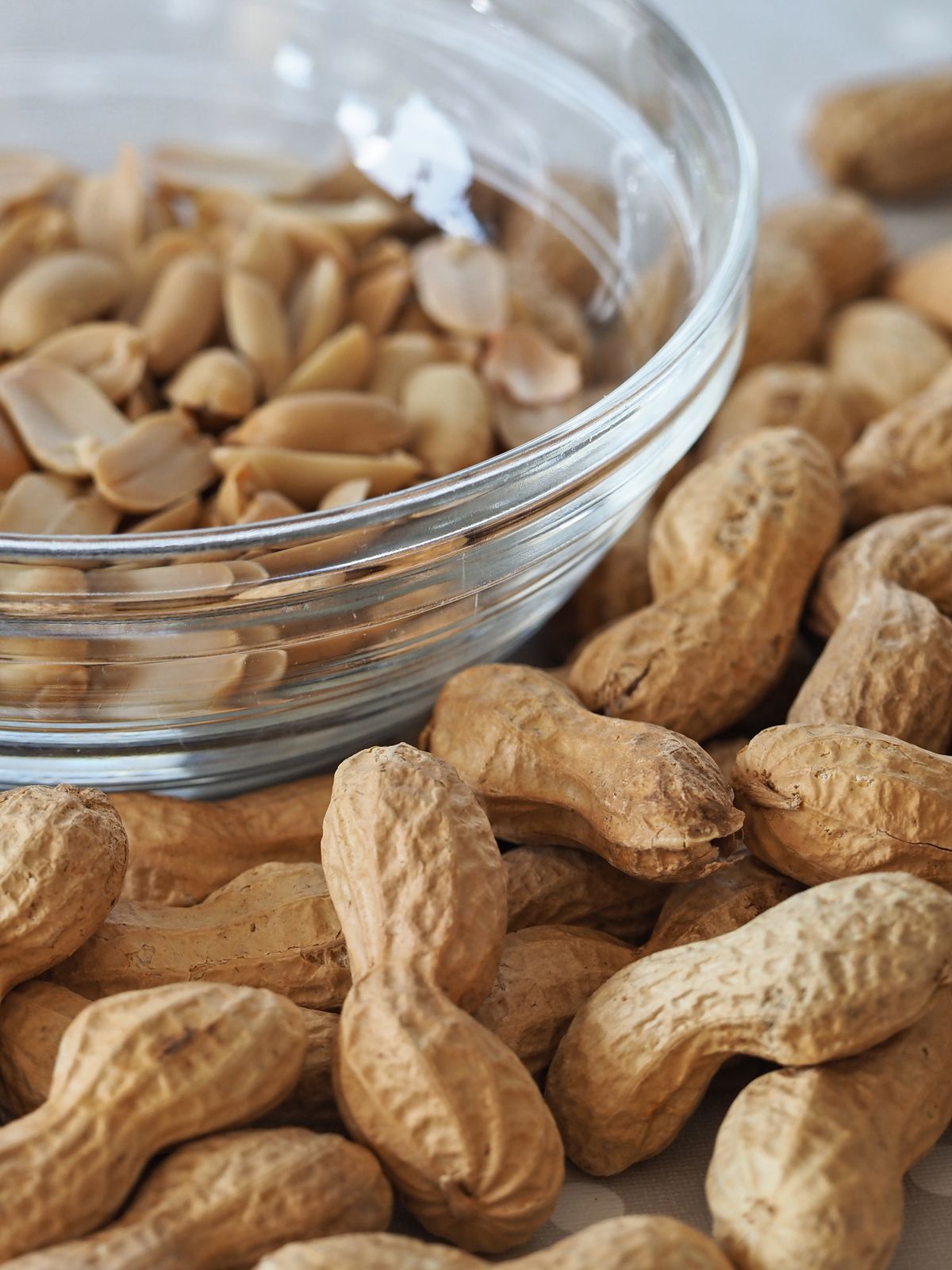
The trial came from the Institute of Nutrition and Translational Research in Metabolism (NUTRIM) at Maastricht University Medical Center, led by doctoral candidate Lucia Kerkhof with senior author Peter Joris, an associate professor in the Department of Nutrition and Movement Sciences. It was a randomized, controlled crossover trial — a strong design for a small study, because each person served as their own comparison. All 31 participants were healthy adults ages 60 to 75. Each completed two 16-week periods in random order: one eating 60 grams (2.1 ounces, about two servings) of unsalted, skin-roasted peanuts every day, and one following their usual diet without peanuts. During the peanut period they were given premeasured packets and could eat the daily amount all at once, spread it through the day, or add it to meals.
To measure brain insulin responsiveness, the researchers gave participants insulin through the nose — a way of delivering it toward the brain — then used a specialized MRI technique called arterial spin labeling to measure changes in regional cerebral blood flow. Cognitive performance was tested with the Cambridge Neuropsychological Test Automated Battery (CANTAB). The trial was registered in advance (ClinicalTrials.gov NCT05724654), and the funder, The Peanut Institute Foundation, had no role in the study design, implementation, analysis, interpretation, or writing of the paper, according to the researchers.
The findings, plainly
- Memory regions responded better to insulin after the peanut period. Whole-brain analysis found one cluster in the right hemisphere where the blood-flow response to intranasal insulin was beneficially affected after the peanut intervention compared with the control period (−5.4 ± 5.4 mL/100 g tissue/min). The cluster included parts of the lingual gyrus, hippocampus, parahippocampal gyrus, thalamus, and posterior cingulate gyrus — regions involved in memory.
- It builds on earlier results from the same people. In 2025, the same team reported from the same 16-week peanut intervention that global cerebral blood flow rose 3.6% and verbal memory improved 5.8% (Clinical Nutrition). The new paper adds the mechanism underneath: how those regions respond to insulin.
- The researchers point to the nutrients, not magic. Senior author Peter Joris noted that peanuts carry unsaturated fats, dietary fiber, vitamins and minerals, and bioactive phytochemicals — and are especially rich in L-arginine, a precursor of nitric oxide, which has been reported to facilitate learning and memory.
- Nothing changed in the blood. The intervention produced no changes in fasting glucose or insulin levels, lipid markers, or indicators of systemic inflammation — the effect, if real, was in the brain's response, not in the usual blood numbers.
- The effect was specific, not a general brain boost. The improvement showed up in one cluster of memory-related regions on the right side of the brain, not across the whole brain — and the blood-flow response to insulin was lower, not higher, after the peanut period, a pattern the authors interpret as improved sensitivity. It is not a general increase in brain activity.
What it doesn't prove
Four honest caveats. First, this was 31 people — a small sample — and all of them were healthy, so it says nothing about people who already have memory problems, diabetes (excluded from the trial), or peanut allergies (also excluded). Second, brain insulin responsiveness is a marker, a measurable sign of how the brain is working. It is not dementia or Alzheimer's disease, and this study does not show that peanuts prevent either one — nobody was followed for years to see who developed memory loss. Third, the study was funded by The Peanut Institute Foundation, an organization linked to the peanut industry. The researchers state the funder had no role in the work, and the trial was registered in advance, which is good practice — but industry funding is still a fact readers should know. Fourth, peanuts are a common allergen: anyone with a peanut allergy should not try this, and the salted, honey-roasted, or candy-coated versions on store shelves are not what was tested — the trial used plain, unsalted, skin-roasted peanuts.
What it means after 40
If you are in your 40s or 50s, this trial was not run on your age group — the participants were 60 to 75 — and a 31-person mechanism study is not a reason to overhaul your diet around one food. But it is a useful piece of a larger pattern we have covered before: the MIND diet, structured lifestyle programs, and now a single-food trial all point the same way — what you eat can reach the brain, and the effects show up in measurable ways within months, not decades. A daily handful of plain peanuts is cheap, easy, and — for people without a peanut allergy — low-risk as part of an overall eating pattern rich in nuts, vegetables, whole grains, and healthy fats. Think of it as one small, plausible ingredient in a brain-healthy diet, not as a shield against dementia. The researchers themselves say further studies are needed to find out whether the change in insulin responsiveness translates into lasting memory or thinking benefits. Until then, the honest takeaway is narrow and encouraging: a simple food nudged a real brain marker in the right direction, and bigger trials are the next step.
Sources
Kerkhof L, Mensink RP, Plat J, Nijssen KMR, Joris PJ, "Daily consumption of unsalted, skin-roasted peanuts beneficially affects regional brain insulin responsiveness in older adults: results of a longer-term randomized controlled trial," Food & Function 2026, published online September 30, 2026, DOI: 10.1039/d6fo03208g (31 healthy adults ages 60–75; randomized, controlled crossover; 16 weeks of 60 g/day unsalted, skin-roasted peanuts vs 16-week control period; brain insulin responsiveness assessed by arterial spin labeling MRI after intranasal insulin; whole-brain analysis found one right-hemisphere cluster — lingual gyrus, hippocampus, parahippocampal gyrus, thalamus, posterior cingulate gyrus — where the cerebral blood flow response to intranasal insulin was beneficially affected after the peanut intervention vs control, −5.4 ± 5.4 mL/100 g tissue/min; cognitive performance by CANTAB; trial registered at ClinicalTrials.gov NCT05724654; funded by The Peanut Institute Foundation, which had no role in design, implementation, analysis, interpretation, or writing). Institutional release via Medical Xpress, "Daily peanut consumption beneficially affects brain insulin responsiveness, new research finds" (October 10, 2026) (Peter Joris: "Our study found that daily peanut consumption beneficially affected insulin responsiveness in memory-related brain regions in older adults"; L-arginine and nitric oxide as a possible mechanism). Earlier results from the same intervention: Clinical Nutrition 2025 (16-week peanut period raised global cerebral blood flow 3.6% and improved verbal memory 5.8%). Independent coverage: SciTechDaily, "Scientists Discover That Eating Peanuts Every Day May Help Protect the Aging Brain" (trial details and the 2025 companion results).
Studies cited · Evidence summarized, not medical advice
Keep Going
▶️ Watch the videos: Health After 40 Science on YouTube
🌐 Guides, reviews & free checklists: healthafter40science.com
📚 The Health After 40 Bundle — all five guides in one: get the bundle
Get the Free Weekly Email: