Varied Exercise Plus Better Nutrition Linked to Sharper Thinking and Better Mood in Older Adults — New 2026 Review
Exercise alone didn't move memory in one recent trial — but what if you pair varied movement with better eating? A review published October 13 pooled nine randomized trials and found the combination was modestly linked to both sharper thinking and lighter mood. The authors' own verdict is refreshingly honest: treat it as a hint, not a headline.
How the review worked
Zhang and colleagues searched four medical databases (PubMed, Embase, Web of Science, and Cochrane Library) for randomized controlled trials through June 30, 2026, and published the systematic review in BMC Geriatrics. To qualify, a trial had to include both ingredients: multicomponent exercise — programs blending several capacities such as aerobic conditioning, resistance work, balance, and coordination — plus a structured nutritional intervention, ranging from dietary counseling to supplementation.
Nine trials made the cut, covering 1,814 adults aged 60 and older. Seven contributed data on global cognitive function (usually measured with screening tools like the MMSE or MoCA), and five contributed data on depressive symptoms (usually the Geriatric Depression Scale).

The findings, plainly
- Thinking improved a little. The pooled effect on global cognition was g = 0.31 (95% CI: 0.08–0.54) — a small effect, but statistically significant.
- Mood improved somewhat more. Depressive symptoms dropped with an effect size of g = −0.51 (95% CI: −0.93 to −0.09) — closer to a medium effect.
- The studies disagreed a lot. Heterogeneity was moderate-to-high for both outcomes (I² of 68.5% for cognition, 63.5% for mood), meaning the nine trials didn't tell a very consistent story.
- Duration seemed to matter most. Subgroup analyses found no meaningful differences by type of nutrition intervention, starting cognitive status, or exercise modality — only the length of the intervention differed significantly for cognition.
What it doesn't prove
Start with the authors' own warning: they write that these conclusions "should be regarded as exploratory and interpreted with caution." The evidence base is thin — just nine trials — and there are signs of publication bias: when the researchers statistically adjusted for the possibility that negative trials went unpublished, the adjusted estimates shrank and their confidence intervals crossed zero, meaning the effect could plausibly be nothing.
Also important: because every trial bundled exercise and nutrition together, nobody can say which half did the heavy lifting — or whether you need both. And these were adults 60 and older, so stretching the findings down to your 40s is an inference, not a result.
What it means after 40
This is an interesting sequel to the October 1 trial we covered, where 12 weeks of exercise alone lifted mood but didn't move memory. The new review hints that the combination — varied movement and decent eating — might be where the brain benefit lives. That's consistent with what we've seen separately for diet quality and brain aging.
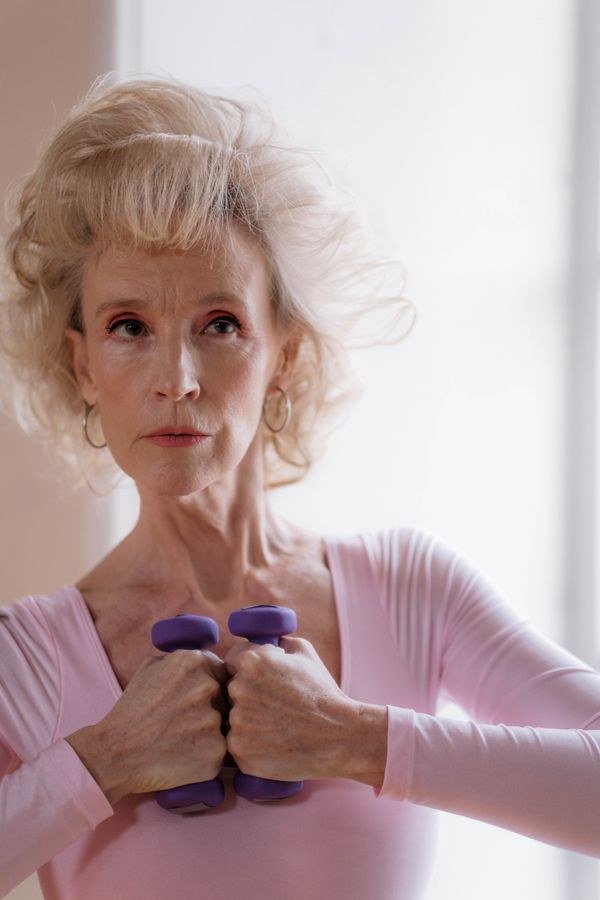
The practical read is modest but actionable: don't just walk — mix your movement (walking, some resistance, balance work), and don't treat food as separate from fitness. Neither half alone is a magic bullet, and honestly neither is the pair. But if both habits show the same direction of benefit across thousands of older adults, that's a bet worth making.
Sources
Zhang W. et al., "Effects of multicomponent exercise combined with nutritional intervention on global cognitive function and depressive symptoms in older adults: a systematic review and meta-analysis," BMC Geriatrics (2026), published October 13, 2026. Full text (open access); coverage and analysis: Bioengineer.org.
Study cited · Evidence summarized, not medical advice
Keep Going
▶️ Watch the videos: Health After 40 Science on YouTube
🌐 Guides, reviews & free checklists: healthafter40science.com
📚 The Health After 40 Bundle — all five guides in one: get the bundle
Get the Free Weekly Email: