A Hot Bath Outdid a 30-Minute Workout for Blood-Vessel Response in a Small 2026 Study
Here is a headline that deserves its fine print up front: in a small 2026 experiment, 30 minutes sitting chest-deep in 40 °C (104 °F) water produced a bigger short-term response in the skin's tiny blood vessels than 30 minutes of moderate cycling — and a bigger immediate drop in blood pressure. Nobody involved is suggesting you trade your workouts for baths. But for people who struggle to exercise, the result adds to a growing case that passive heat can act as a genuine, if partial, vascular stimulus.
How the study worked
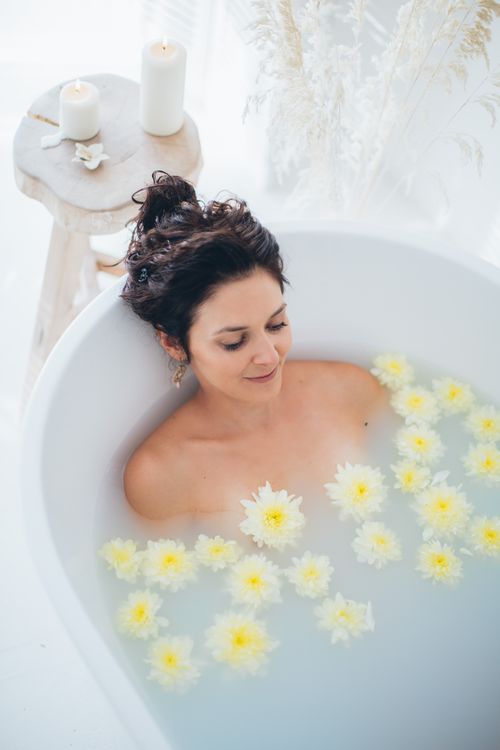
The research, published in 2026 in the European Journal of Applied Physiology and led by exercise physiologist Kristanti Wigati of the University of Western Australia, recruited 25 overweight or obese adults aged 45 to 70 (average age 59, average BMI 29.4). Each person completed two sessions in random order, at least 72 hours apart, so everyone served as their own comparison. One session was 30 minutes of moderate cycling at 60–70% of maximum heart rate. The other was 30 minutes seated in hot water at 40 °C, immersed to the chest with arms submerged.
The key measurements came from optical coherence tomography (OCT), a non-invasive imaging technique that let the researchers watch the tiny blood vessels in the forearm skin before and after each session. They tracked four things: vessel diameter, blood velocity, blood flow, and the density of microvessels with detectable flow. Heart rate, core body temperature, and blood pressure were monitored throughout.
The findings, plainly
- Hot water won on every vessel measure. After immersion, vessel diameter rose by 5.2 micrometres on average, versus a slight fall of 1.1 after cycling. Blood velocity rose 22.8 micrometres per second after the soak versus a fall of 1.2 after exercise. Blood flow rose 68.9 picolitres per second versus a fall of 8.3. Vessel density rose 14.1% versus a fall of 3.1%. All differences were statistically significant (all P < 0.001).
- Blood pressure fell more after the soak, too. A companion paper from the same experiment reported systolic pressure fell 5.7 mmHg after hot water versus a 0.6 mmHg rise after cycling, and diastolic pressure fell 9.2 mmHg versus 1.5 mmHg. These are immediate, post-session readings — not lasting reductions.
- The body got hotter in the bath, and the heart worked harder there too. Core temperature rose 0.9 °C during immersion versus 0.7 °C during cycling, and heart rate rose by 33 beats per minute versus 25. The point the authors stress is the greater thermal strain of the soak, not a heart-rate contest.
- Why it happened matters more than the scoreboard. The authors' own explanation: heat widens blood vessels to dump heat through the skin, creating shear stress along vessel walls — the same kind of stimulus exercise provides, but here delivered without muscle contraction, and amplified by the greater thermal strain of sitting in hot water.
- Repeated sessions show a longer-term hint. In a separate 8-week trial in 24 inactive middle-aged adults, adding a 30-minute 40 °C soak after exercise cut mean arterial pressure by 4 mmHg more than exercise followed by a lukewarm soak, and improved brachial artery function by 2.33% — without extra gains in fitness, glucose, lipids, or inflammation.
What it doesn't prove
Four honest caveats. First, this was a single-session, acute experiment in 25 people: it shows what happens right after one soak, not whether regular baths prevent heart attacks or strokes. Second, the two sessions were matched for time (30 minutes each) but not for thermal strain — the bath simply heated the body more, so the result does not mean hot water is "intrinsically superior" to exercise, as the authors explicitly warn. Third, the measurements were in forearm skin vessels, a window into microvascular function, not a direct measure of heart or large-artery health. Fourth, exercise does far more than stimulate vessels — it builds muscle, endurance, bone, balance, and metabolic health that a bath cannot replicate, and the authors frame heat as a complement or alternative for people with limited exercise tolerance, not a replacement.
What it means after 40
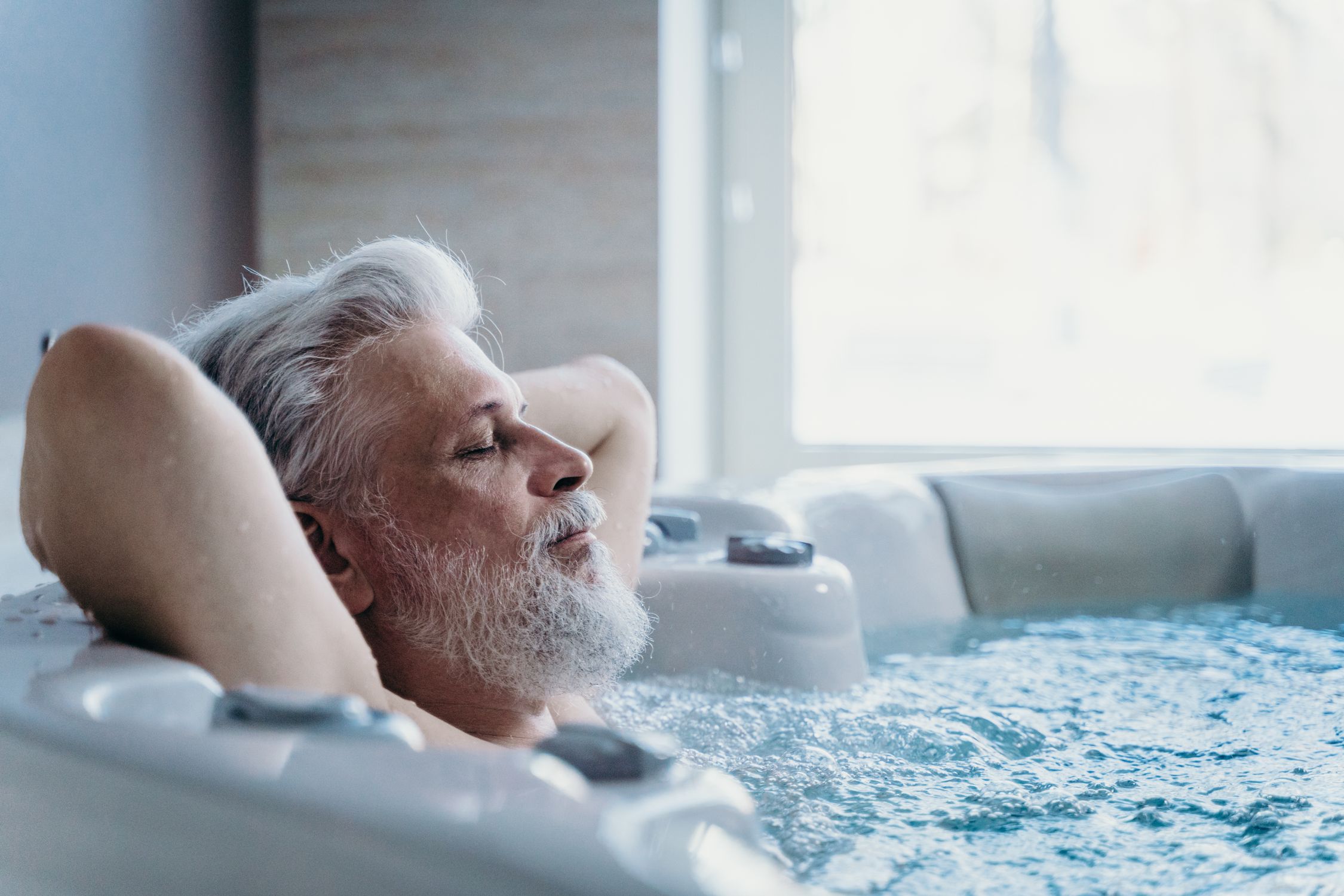
The practical reading is narrow but encouraging. If you can exercise, keep exercising — nothing here changes that, and the 8-week data suggest heat works best alongside exercise, not instead of it. If injury, disability, or a packed recovery is keeping you from moving, a warm soak is not nothing: the vascular system does respond to heat, and that response is measurable within a single session.
But do not copy the protocol casually. Thirty minutes at 40 °C is hot enough to cause overheating, dizziness, or a sharp blood-pressure drop, especially when standing up afterwards. If you have heart disease, low blood pressure, diabetes-related nerve damage, or are pregnant, talk to your clinician first. Stay hydrated, keep sessions shorter to start, get out slowly, and never soak alone if you are prone to dizziness or fainting. And treat the blood-pressure numbers honestly: a drop measured minutes after a hot bath is not the same as the lasting reduction that regular exercise, weight management, or medication can deliver. The bath is a promising adjunct — a warm one, not a miracle one.
Sources
Wigati, K. W., et al., "Comparison between exercise and hot water immersion on skin microvascular responses in older adults with overweight and obesity," European Journal of Applied Physiology (2026), doi:10.1007/s00421-026-06415-2 (PubMed PMID 42803957). Companion paper: "Changes in cardiac function before and after hot water immersion and endurance exercise in middle-aged individuals with overweight or obesity," Eur. J. Appl. Physiol. (2026), doi:10.1007/s00421-026-06418-z (PMID 42762318). Context: Steward, C., et al., "Post-exercise hot water immersion enhances haemodynamic and vascular benefits of exercise," The Journal of Physiology (2025), doi:10.1113/JP288873. Coverage: ScienceAlert, "A Hot Bath May Lower Your Blood Pressure More Than a 30-Minute Workout Can, Study Reveals" (October 7, 2026).
Study cited · Evidence summarized, not medical advice
Keep Going
▶️ Watch the videos: Health After 40 Science on YouTube
🌐 Guides, reviews & free checklists: healthafter40science.com
📚 The Health After 40 Bundle — all five guides in one: get the bundle
Get the Free Weekly Email: