A Gut-Bacteria Marker Was Tied to Brain Shrinkage — but Not to Thinking — What a 487-Person Study Found
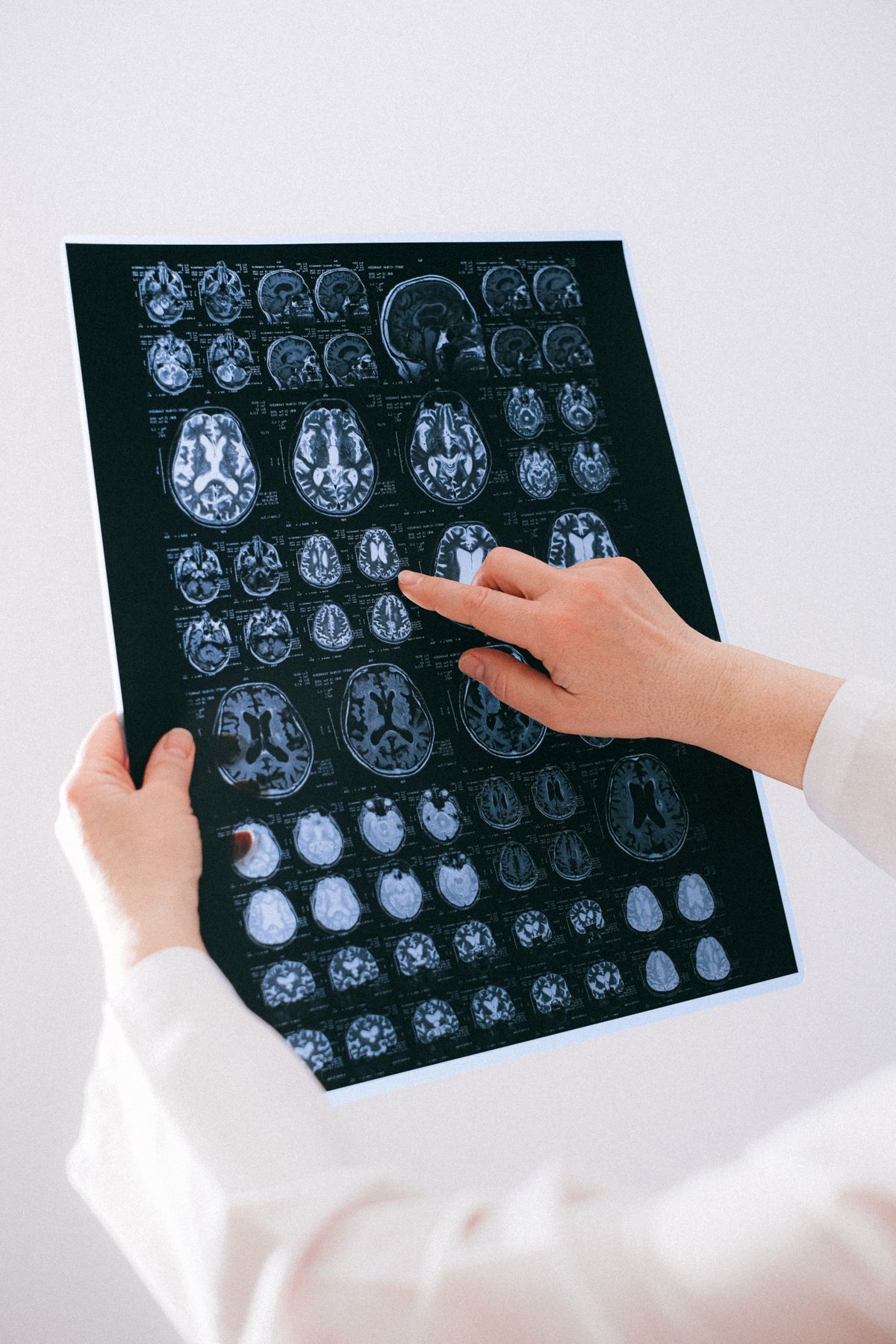
Your gut bacteria make a chemical called TMAO from nutrients in foods like red meat and eggs, and your liver finishes the job. TMAO has already been linked to heart and metabolic disease. Now a 2026 study from the Medical University of Graz asked whether it tracks with the aging brain too. In 487 neurologically normal adults averaging 68 years old, higher blood TMAO was tied to smaller volumes of total gray matter, the hippocampus, and the frontal lobe on MRI scans — the memory and planning regions that shrink with age. But here is the honest split: the same people showed no difference at all in memory, executive function, motor skills, or overall thinking. The brain looked a little smaller on the scan; the person did not think any worse. The authors' own verdict is that the links are modest and TMAO may be a marker of the aging process rather than a cause of brain damage.
Why the question matters
TMAO — trimethylamine N-oxide — sits at the center of the gut-brain story that has grown louder in recent years. Gut bacteria convert choline and L-carnitine, found in larger amounts in red meat and eggs, into a compound called TMA; the liver then oxidizes TMA into TMAO. High circulating TMAO has been tied to cardiovascular disease, type 2 diabetes, stroke, hypertension, and frailty. Animal studies have gone further, suggesting TMAO can damage mitochondria, increase senescent cells in the brain, and worsen vascular dementia in rats. But the human evidence has been inconsistent: one large analysis combining the Rotterdam Study and the Leiden Longevity Study found no link between TMAO and cognition, brain imaging, or new dementia at all, while smaller studies in people with type 2 diabetes tied TMAO to mild cognitive impairment. The Graz team set out to test the question in healthy older adults with no neurological disease — the population where an early warning signal would matter most, and where the answer was still open.
How the study worked
The paper, published August 11, 2026 in the journal Aging, drew on the Austrian Stroke Prevention Study and its family extension, both based in Graz, Austria. All 487 participants were community-dwelling adults with a normal neurological examination and no dementia or stroke. Their mean age was 67.8 years, 62.8% were women, and the median blood TMAO level was 3.73 micromoles per liter (ranging from 0.5 to 80.2). Everyone took a full battery of neuropsychological tests covering memory, executive function, and motor abilities. A subgroup of 180 participants also had brain MRI scans, which were analyzed for gray matter, hippocampal, and frontal lobe volumes. One design choice matters a lot: because TMAO rises as kidney function falls, every analysis adjusted for estimated kidney filtration rate (eGFR), so the results are not just a disguised measure of failing kidneys.
The findings, plainly
- Higher TMAO tracked with smaller brain volumes — in the 180 people with MRI scans. After adjusting for age, sex, blood pressure, diabetes, cholesterol, and kidney function, higher TMAO was associated with lower total gray matter volume, lower hippocampal volume, and lower frontal lobe volume (all pFDR = 0.03). The hippocampus link held only in people over 65.
- Thinking did not track with TMAO at all. In up to 444 participants with cognitive testing, TMAO showed no association with memory (p = 0.52), executive function (p = 0.96), motor skills (p = 0.15), or overall cognitive ability (p = 0.09). The structure changed; the function did not.
- TMAO rose with age and metabolic risk. Higher levels were tied to older age, higher body mass index, higher fasting blood sugar, higher HbA1c, and diabetes. People aged 70 and older had significantly higher TMAO than younger participants, even after kidney function was accounted for. Oddly, TMAO was inversely related to total, LDL, and HDL cholesterol — a finding the authors say remains difficult to explain.
- A nerve-injury marker's link vanished once age was considered. TMAO initially correlated with neurofilament light chain (NfL), a blood marker of neuronal damage (r = 0.21, p = 0.01), but the association disappeared after adjusting for age (p = 0.09) — suggesting age, not TMAO, was driving it.
- The authors urge caution, not alarm. Their conclusion, in their own words: "Overall the observed associations are modest and may reflect TMAO as a marker of systemic aging processes rather than a direct mediator of neurodegeneration." The structural links were, in their assessment, rather weak — probably too weak to cause cognitive impairment.
What it doesn't prove
Four honest caveats, starting with the biggest: this is a single snapshot in time, so it cannot show whether TMAO causes brain shrinkage, whether brain shrinkage raises TMAO, or whether both simply rise with age. Second, the MRI findings rest on just 180 people — the family-study subgroup — not the full 487, and the hippocampus link only appeared in those over 65. Third, the study measured TMAO once, collected no stool samples, and did not measure the dietary precursors (choline, betaine, L-carnitine) that feed the pathway — so it cannot say anything about what any individual ate, or whether changing diet would change TMAO or the brain. Fourth, the wider literature genuinely conflicts: the Rotterdam/Leiden analysis found no TMAO link to cognition or brain imaging, while studies in people with diabetes found the opposite. This study adds one careful data point to an unsettled picture — it does not settle it.
What it means after 40
For now, very little changes in what you should actually do. TMAO is not a test your doctor orders, there is no established "healthy" level, and no trial has shown that lowering TMAO protects the brain. What the study does reinforce is the familiar cluster: the same people with higher TMAO also had higher blood sugar, higher HbA1c, higher body weight, and more diabetes — the metabolic risk factors that already have proven, actionable fixes. If you are in your 40s, 50s, or 60s, the practical takeaway is the boring one that keeps showing up in this research: keep blood sugar, blood pressure, and weight in a healthy range, stay active, and eat in a pattern rich in vegetables, whole grains, and fiber — the foods that feed a diverse gut microbiome. That advice stands on its own evidence, with or without TMAO. And if you see a supplement or test promising to "lower your TMAO to protect your brain," treat it as marketing ahead of the science: the researchers themselves say the link is modest, possibly just a marker of aging, and not a proven cause of anything.
Sources
Almer G, Hofer E, Schmidt R, Meinitzer A, Herrmann M, Enko D, "TMAO is associated with higher age, cardiometabolic risk factors and degenerative alterations of the brain in healthy elderly adults," Aging (Albany NY), 2026;18:991-1003 (published August 11, 2026; doi:10.18632/aging.206401) — 487 neurologically normal community-dwelling adults from the Austrian Stroke Prevention Study and ASPS-Fam, mean age 67.8 ± 8.9 years, 62.8% women; median serum TMAO 3.73 μmol/L (IQR 2.60–5.00); higher TMAO tied to older age, higher BMI, fasting glucose, HbA1c and diabetes, and inversely to total, LDL and HDL cholesterol; in the 180 with MRI, higher TMAO tied to lower total gray matter (beta −0.015, pFDR 0.03), hippocampal (beta −0.0002, pFDR 0.03) and frontal lobe volume (beta −0.005, pFDR 0.03), hippocampus link significant only over age 65; no association with memory (p = 0.52), executive function (p = 0.96), motor skills (p = 0.15) or overall cognition (p = 0.09); NfL correlation (r = 0.21, p = 0.01) lost significance after age adjustment (p = 0.09); all analyses adjusted for kidney function (eGFR); authors declare no conflicts of interest; funded by the Austrian Science Fund. Aging paper.
Medical Dialogues, "Higher TMAO levels linked to cardiometabolic risk and brain atrophy in older adults: Study," October 7, 2026 — summary of the Aging paper, including the authors' caution that the associations are modest and may reflect TMAO as a marker of systemic aging rather than a direct cause. Medical Dialogues report.
Studies cited · Evidence summarized, not medical advice
Keep Going
▶️ Watch the videos: Health After 40 Science on YouTube
🌐 Guides, reviews & free checklists: healthafter40science.com
📚 The Health After 40 Bundle — all five guides in one: get the bundle
Get the Free Weekly Email: