Brisk Walking Ranked Best Exercise for Bone Density After 40 in a 124-Trial 2026 Analysis
After 40, bone quietly loses density every year — and most exercise advice for bones is vague. A new analysis of 124 randomized trials finally puts a ranking and a number on it: brisk walking came out on top, and the dose that mattered was surprisingly modest.
How the study worked
The analysis, led by Changbo Lu of Nanjing Jinling Hospital (with colleagues from Fudan University and other Chinese institutions) and published September 9, 2026 in The BMJ, pooled 124 randomized controlled trials involving 18,429 adults aged 40 and older. The researchers searched PubMed, Embase, the Cochrane Library, and Web of Science through January 2026, then used a network meta-analysis — a method that compares exercise types both directly (head-to-head trials) and indirectly — to rank them by their effect on bone mineral density at three sites: the lumbar spine, the femoral neck, and the total hip. Fractures were a secondary outcome.
The findings, plainly
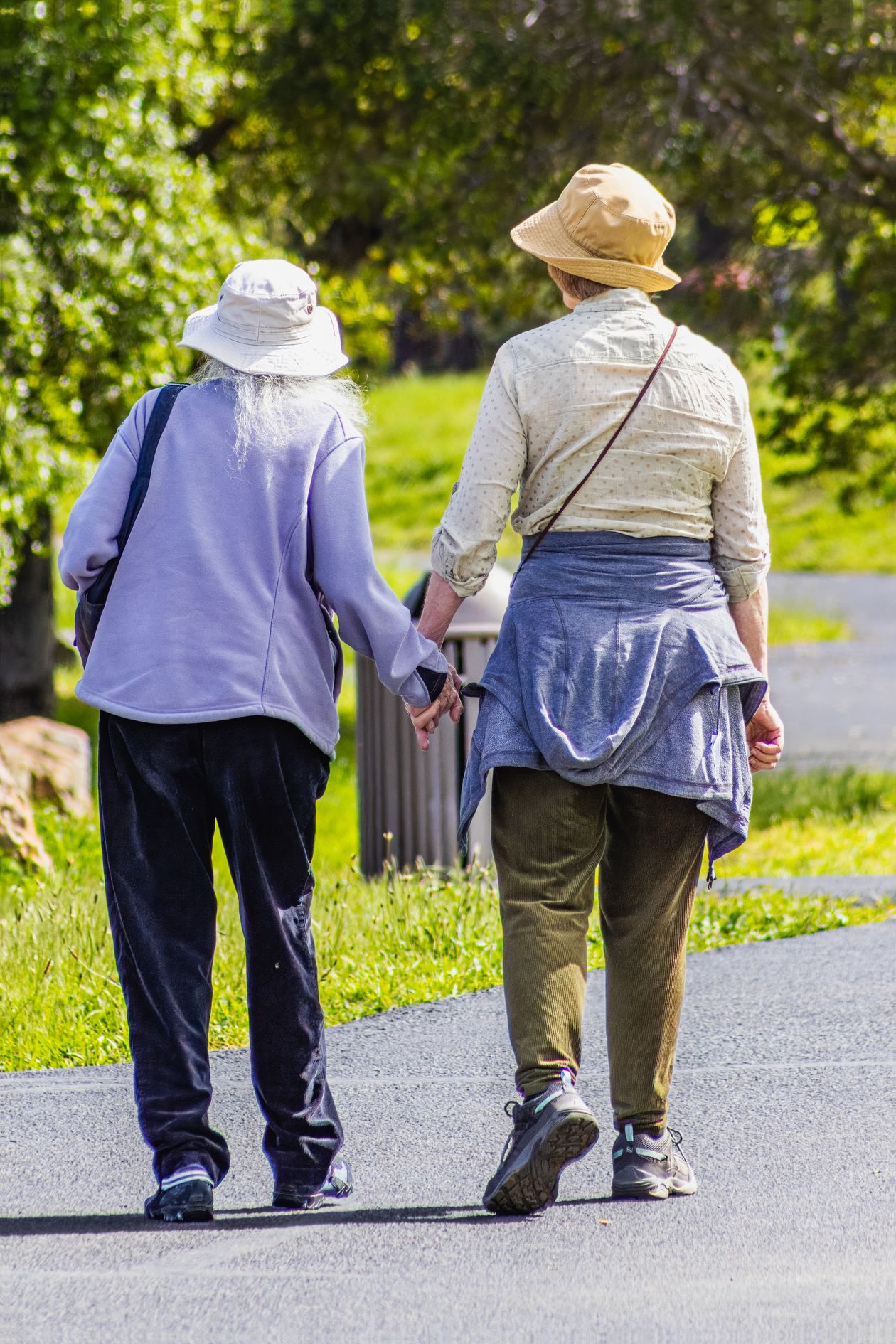
- Brisk walking or jogging came out on top. It ranked among the most beneficial for bone density at all three measured sites — lumbar spine (+0.013 g/cm² vs no-exercise control), femoral neck (+0.009), and total hip (+0.021).
- Combined aerobic-plus-resistance was the other winner. It matched brisk walking for the lumbar spine (+0.013 g/cm²) — the best-supported pairing in the analysis.
- Mind-body exercise (tai chi, yoga-type) helped the hip joint most. It showed the strongest benefit for the femoral neck (+0.007 g/cm²) — and carried the highest evidence-confidence rating of any finding.
- The dose was modest, and more wasn't much better. Benefits kicked in around 400–600 MET-minutes per week — roughly 2–3 hours of brisk walking — then flattened out near 900–1,000. The dose curve was an inverted U: doubling the exercise did not double the bone benefit.
- Honest scale: the gains were small. The improvements are on the order of 1% of baseline bone density — which the authors describe, accurately, as "modest yet clinically meaningful mitigation of age-related decline," not bone-building miracles.
What it doesn't prove
Three honest caveats. First, confidence in the rankings was low to moderate for the top exercise types — and very low for several others — so future trials could reshuffle the order. Second, the analysis mostly measures bone density, not broken bones: only 26 of the 124 trials tracked fractures, so claims about fracture reduction are preliminary. Third, the "minimally important" threshold the authors used (a 1–2% density change) can fall within the measurement error of a DEXA scan, and lumping all exercise into calorie-burn units (MET-minutes) glosses over the fact that bone responds to the direction and speed of impact — 600 MET-minutes of walking is not mechanically the same as 600 of yoga.
What it means after 40
The mechanism makes sense: walking is weight-bearing, so every step loads the skeleton — exactly the signal bone needs. If you already walk, the upgrade the study points to is pace: brisk enough that you can talk but not sing. And the dose is reachable — about 2–3 hours a week breaks down to roughly 25 minutes a day, five days a week. No marathon required.
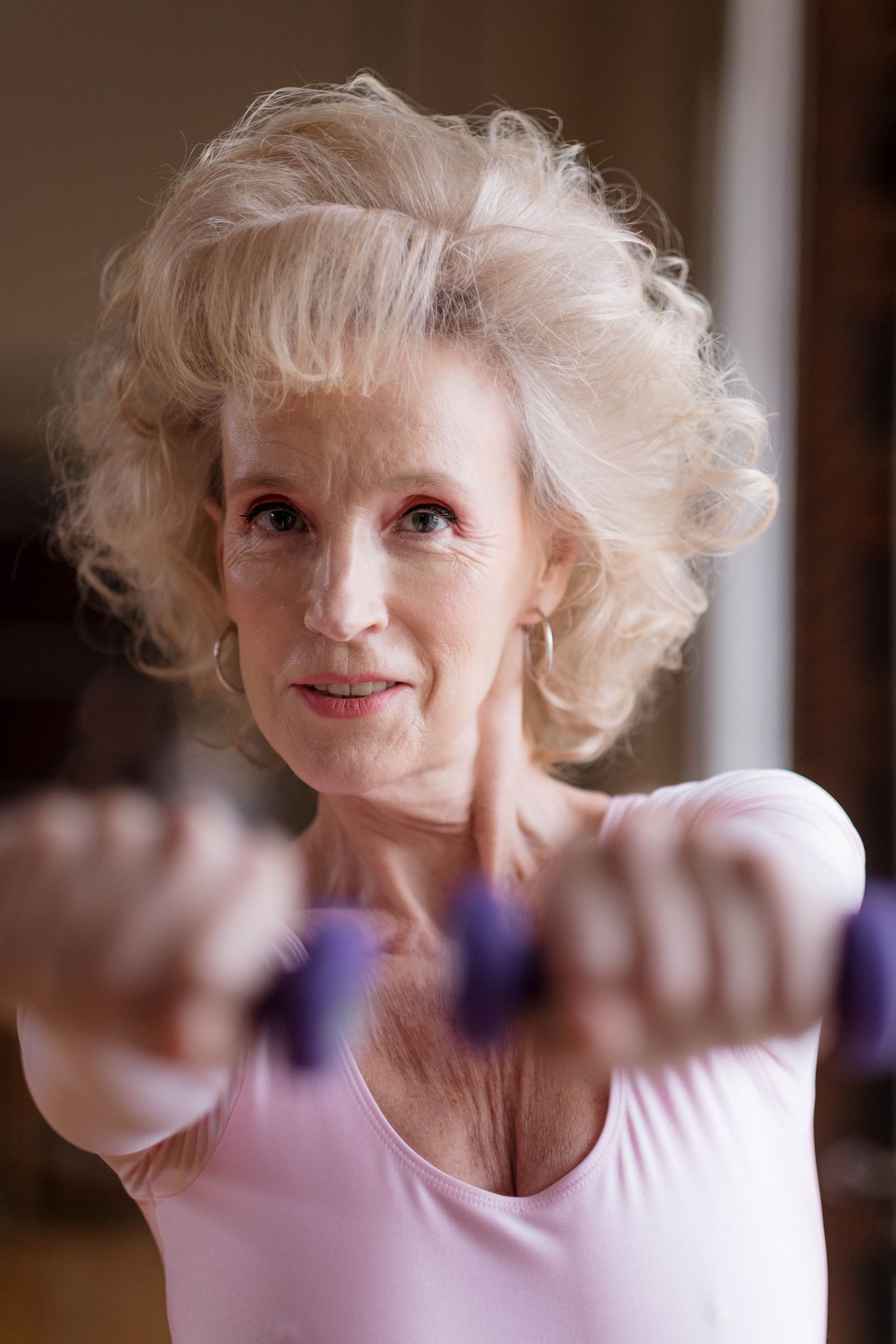
The second-best move is pairing that walking with resistance work twice a week — bodyweight, bands, or dumbbells — which matched brisk walking for spine density. And there's a case for tai chi on the side: it ranked highest for the femoral neck (the hip-fracture site) and it's the balance training that keeps you from falling in the first place.
One more note of proportion: exercise is one lever, not the whole picture. Calcium, vitamin D, and fall-proofing your home still matter — and if you already have osteoporosis or fragility fractures, talk to your clinician before changing your routine.
Sources
Lu C et al., "Effect of exercise on bone health in middle aged and older adults: hierarchical network meta-analysis of randomised trials," The BMJ, published September 9, 2026. Full paper: bmj.com/content/394/bmj-2026-100561 · PubMed 42716561. Coverage: healthclubmanagement.co.uk — "Exercise offers benefits for bone health after 40".
Study cited · Evidence summarized, not medical advice
Keep Going
▶️ Watch the videos: Health After 40 Science on YouTube
🌐 Guides, reviews & free checklists: healthafter40science.com
📚 The Health After 40 Bundle — all five guides in one: get the bundle
Get the Free Weekly Email: