Chair Exercises Twice a Week Cut Knee Pain and Improved Balance in Adults 65+ — New 2026 Trial
Knee arthritis makes exercise feel impossible — so most people stop moving entirely. A new randomized trial tested the simplest workaround: do the exercises sitting down. After eight weeks, the chair group reported meaningfully less pain and stood up and walked measurably better.
How the study worked
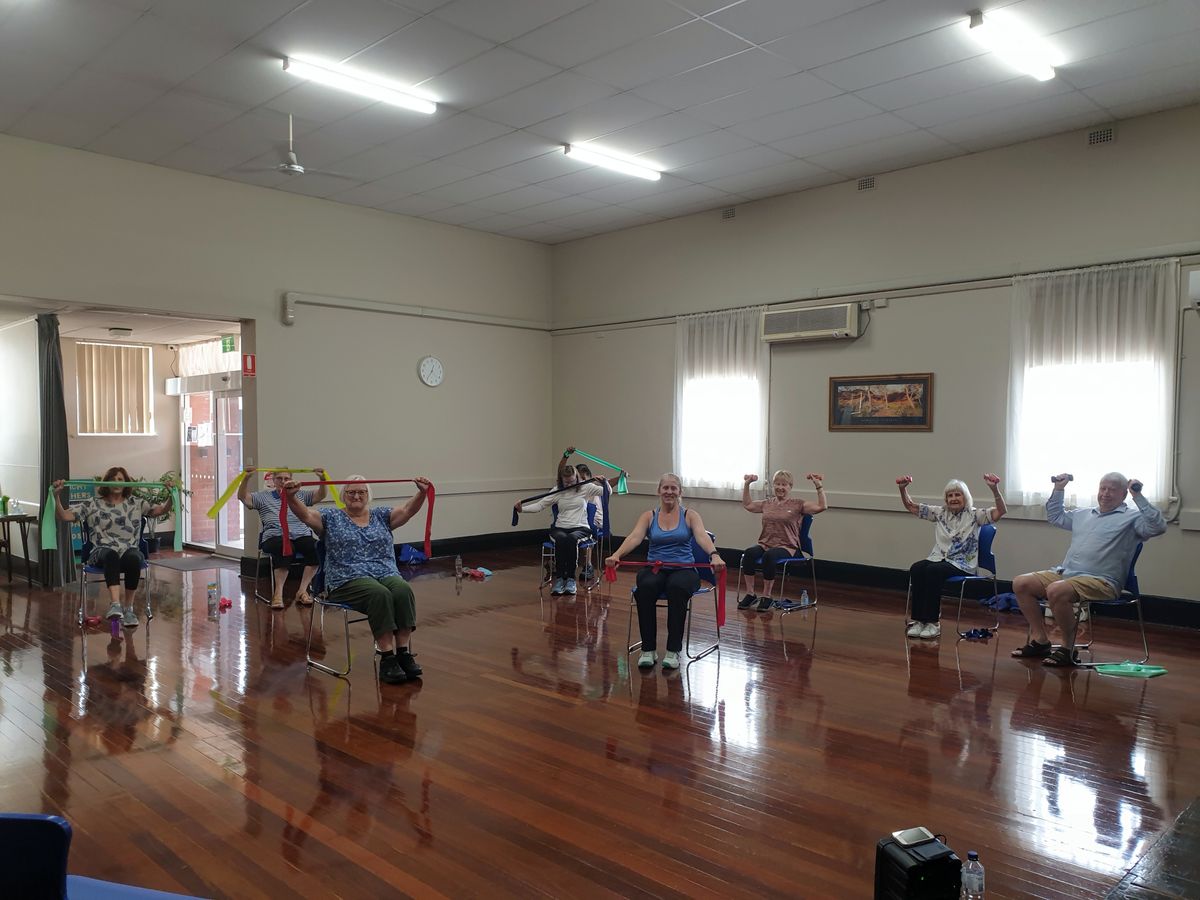
The trial by Ali Osman Bayazıt and Volkan Aşkun, published in the Journal of Aging and Physical Activity (print issue August 1, 2026), enrolled 40 adults aged 65 and older with moderate knee osteoarthritis (Kellgren-Lawrence grades 2–3) who had done no regular exercise in the previous three months. It was a single-blind, parallel-group randomized controlled trial: 20 participants were assigned to a chair-based exercise program, twice a week for eight weeks, while the other 20 simply continued their usual activities.
Researchers measured knee pain, stiffness, and daily function with the WOMAC osteoarthritis index; dynamic balance and mobility with the Timed Up and Go test (stand from a chair, walk, turn, and sit back down); exercise attitudes with the Exercise Benefits/Barriers Scale; and overall quality of life with the Nottingham Health Profile — all compared with baseline scores controlled in the analysis.
The findings, plainly
- Pain, stiffness, and function improved. The chair-exercise group showed statistically significant and clinically substantial improvements on all three WOMAC measures compared with the control group — with large treatment effects across the board.
- Balance and mobility got faster. Timed Up and Go scores improved significantly, meaning participants could stand, walk, and sit back down with measurably better speed and steadiness.
- Attitudes shifted. Participants perceived more benefits and fewer barriers to exercise — and quality-of-life scores rose. A qualitative analysis linked the quality-of-life gains to pain reduction, functional gains, and that changed exercise perception.
What it doesn't prove
Three honest caveats. First, 40 people and eight weeks is a small, short trial — there's no evidence here about what happens at six months or a year. Second, everyone in the study was 65 or older with diagnosed knee osteoarthritis and had been inactive, so this doesn't automatically apply to younger adults or to people without joint problems. Third, the control group simply carried on with usual life — no active comparison — so some of the benefit could come from the structure, attention, and social contact of showing up twice a week, not only from the exercises themselves.
What it means after 40
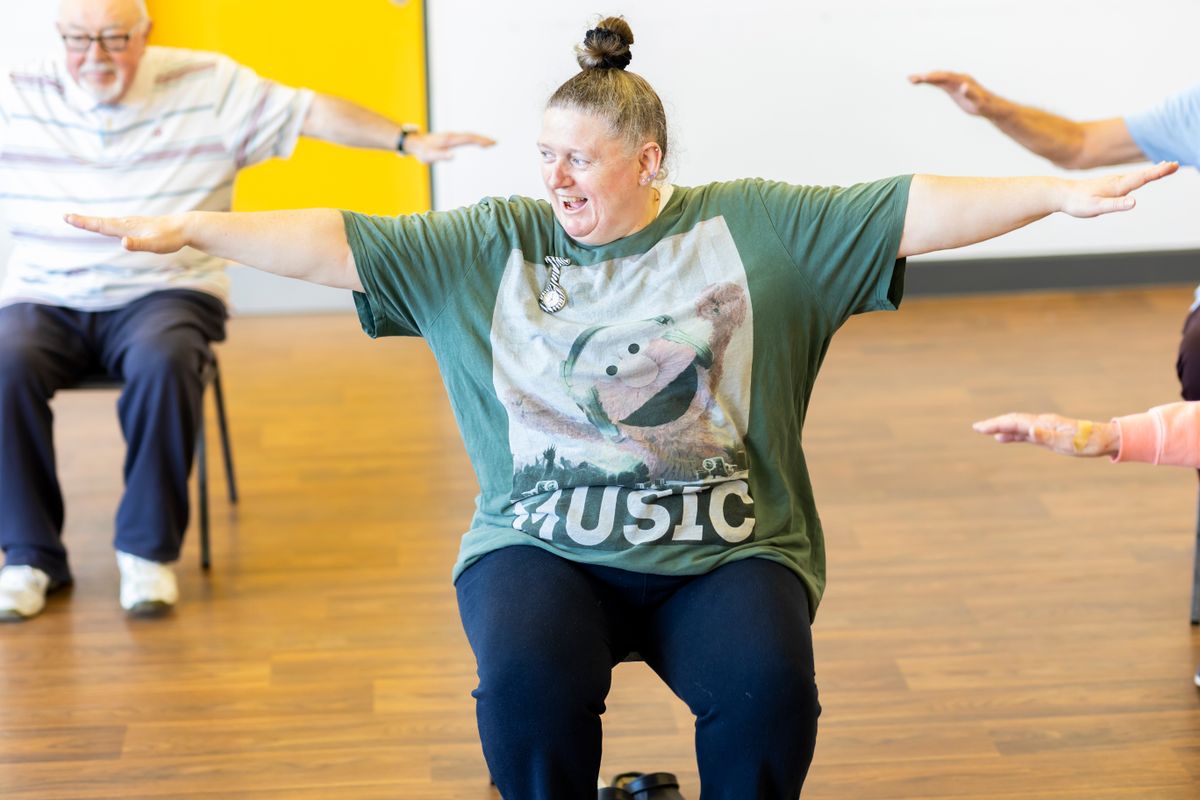
If achy knees are your excuse for skipping exercise, this trial removes the excuse without removing the chair. Seated, low-impact movement — twice a week, eight weeks — was enough to produce real, clinically meaningful change in pain and mobility for people who started out inactive. The bar is a sturdy chair and two sessions a week, which is well inside what most of us over 40 can do.
If joint pain plus fall worries are on your radar, Vince's Joint Health & Fall Prevention Checklist ($0.99) is the companion guide that walks through exactly this kind of low-impact routine.
Sources
Bayazıt AO, Aşkun V. "Effects of Chair-Based Exercises on Perceived Therapeutic and Quality of Life in Inactive Older Adults With Knee Osteoarthritis: A Randomized Controlled Trial," Journal of Aging and Physical Activity 34(4):508–520 (print August 1, 2026; online October 30, 2025). DOI: 10.1123/japa.2025-0041; PubMed: PMID 41167184. All findings above come from the trial's published abstract; no secondary coverage was used.
Study cited · Evidence summarized, not medical advice
Keep Going
▶️ Watch the videos: Health After 40 Science on YouTube
🌐 Guides, reviews & free checklists: healthafter40science.com
📚 The Health After 40 Bundle — all five guides in one: get the bundle
Get the Free Weekly Email: