Hearing Aids Didn't Stop Dementia in a New Trial — But 6 Times More People Actually Improved
If you've ever wondered whether a hearing aid could protect your brain, a randomized trial published last month gives the most honest answer yet: the hearing aids did not prove they could prevent dementia — but people who got them were nearly six times as likely to see their mild cognitive impairment actually reverse. Prevention flunked; reversal signaled. That distinction matters.
How the study worked
The CHOICE trial, led by Dr. Hao Wu of the Shanghai Jiao Tong University School of Medicine and published in JAMA Neurology on 28 September 2026, was a multicenter randomized controlled trial run across three hospitals and three community health stations in Shanghai from 2021 to 2026. The researchers enrolled 703 adults aged 60 to 96 (average 74.5) who all had two things in common: moderate-to-severe hearing loss and mild cognitive impairment — the stage where memory and thinking show measurable slippage but daily independence is still intact.
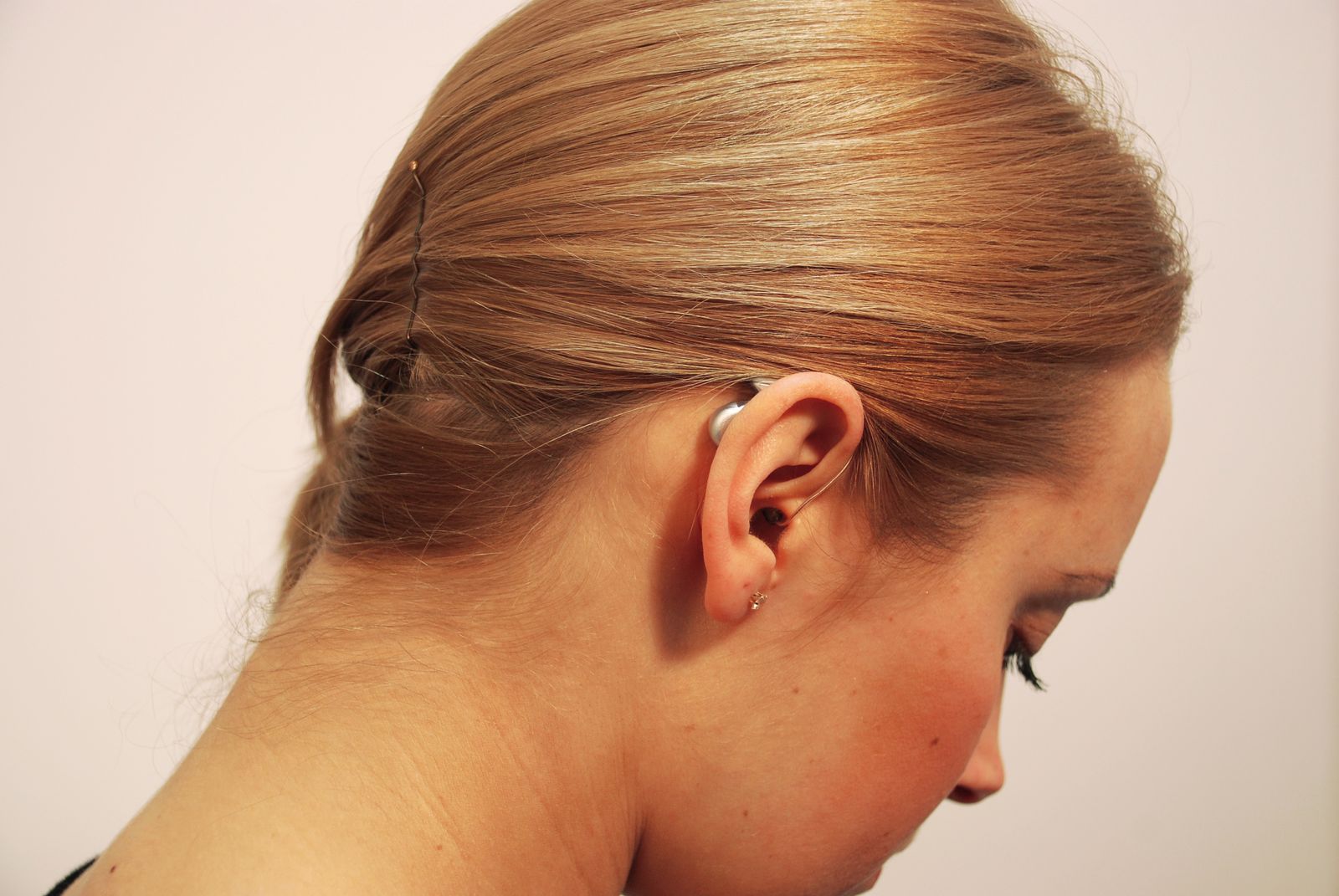
Half were randomly given hearing aids (behind-the-ear devices, fitted for at least a 15-decibel improvement and worn during waking hours); the other half received structured hearing-care education as the comparison. The trial's main question: over 24 months, would fewer hearing-aid users progress from mild cognitive impairment to dementia?
The findings, plainly
- The main result: no proven prevention. Over two years, 3.09% of hearing-aid users progressed from mild cognitive impairment to dementia, versus 4.74% of the comparison group. That gap is real on paper (relative risk 0.59) but was not statistically significant (P = 0.23) — too small to rule out chance. Crucially, far fewer people progressed than the researchers expected, so the trial was underpowered for this question. Lead author Dr. Wu's own framing: read this as "not proven," not "no benefit."
- The surprise: nearly 6× the chance of improving. A prespecified secondary outcome tracked the reverse direction — people whose mild cognitive impairment reversed back to normal cognition. That happened in 15.34% of hearing-aid users versus just 2.36% of the comparison group — a relative risk of 5.94. As Dr. Wu put it, treating hearing loss may help "a meaningful minority of older adults with mild cognitive impairment regain everyday cognitive and functional capacity, and not simply slow decline."
- The wider picture is consistent. The 2023 ACHIEVE trial — the first randomized trial of a hearing intervention — found that among participants at high risk of cognitive decline, hearing aids cut the rate of decline by 48%. And a January 2026 observational study in Neurology of ~2,800 Australians (average age 75) found people prescribed hearing aids had a 33% lower dementia risk than those without — with the benefit growing the more often people actually wore them.
What it doesn't prove
Honesty first: this trial cannot tell you that getting a hearing aid will prevent dementia. The headline outcome failed, and the striking reversal result — while prespecified — is a secondary finding that the authors and independent editorialists (in JAMA Otolaryngology–Head & Neck Surgery) say needs replication before anyone treats it as settled. The trial was open-label, and both the screening and the outcome relied on the Clinical Dementia Rating scale, which is partly subjective. And these were 60-to-96-year-olds who already had mild cognitive impairment — a very different population from a healthy 50-year-old noticing she turns the TV up a bit too loud.
The observational studies have their own caveats: people who seek out hearing aids tend to be more health-engaged in general, and association is not proof. The 2024 Lancet Commission still ranks hearing loss as one of the largest modifiable risk factors for dementia — accounting for an estimated 7% of cases — but "modifiable in theory" is not the same as "fixable with one device."

What it means after 40
If you wait until your 70s to deal with hearing loss, you're joining most of the population — people typically put off hearing aids for years after they start struggling. But hearing loss builds up over decades, and a hearing test in your 40s or 50s is quick, cheap, and painless. The strongest argument in the CHOICE paper isn't about dementia at all; it's Dr. Wu's reminder that hearing aids have "well-established benefits for communication, social engagement, and quality of life, regardless of any effect on cognition." Loneliness and social withdrawal are themselves bad for the brain — and they start the day you stop following the dinner conversation.
So the honest summary: don't buy a hearing aid as dementia insurance — the proof isn't there yet. But if you or someone you love is asking "what?" more than they used to, treat that as a quality-of-life issue worth solving now, not a cosmetic one to postpone. There were no study-related adverse events in the trial, and the upside — clearer conversations today, and possibly a better cognitive trajectory tomorrow — is real. Mention hearing at your next annual checkup; it's one of the few screening conversations that takes five minutes and costs nothing.
Sources
Chen Y, Shi H, Xiang M, et al., "Hearing Intervention for Older Adults With Mild Cognitive Impairment: CHOICE Randomised Clinical Trial," JAMA Neurology, published 28 September 2026. DOI: 10.1001/jamaneurol.2026.3395. Independent coverage: MedicalBrief (with lead-author quotes and the JAMA Otolaryngology editorial context). Related: Cribb L, et al., "Treating Hearing Loss With Hearing Aids for the Prevention of Cognitive Decline and Dementia," Neurology, Jan 2026 — News-Medical summary.
Study cited · Evidence summarized, not medical advice
Keep Going
▶️ Watch the videos: Health After 40 Science on YouTube
🌐 Guides, reviews & free checklists: healthafter40science.com
📚 The Health After 40 Bundle — all five guides in one: get the bundle
Get the Free Weekly Email: