Creatine Added Muscle in Middle-Aged Adults — Even Without Exercise, a New 2026 Trial Found
Everyone assumes creatine only works if you train hard. A new 2026 trial in sedentary adults aged 45 to 65 — most of them women — tested that assumption directly. The honest result is smaller than supplement ads claim, and more interesting.
How the study worked
Researchers at Texas A&M University's Exercise & Sport Nutrition Lab, led by Richard Kreider — who has studied creatine for over 30 years — recruited 73 healthy but sedentary adults aged 45 to 65. Sixty-four completed the 12-week intervention; 40 were women and 24 were men, average age about 55.
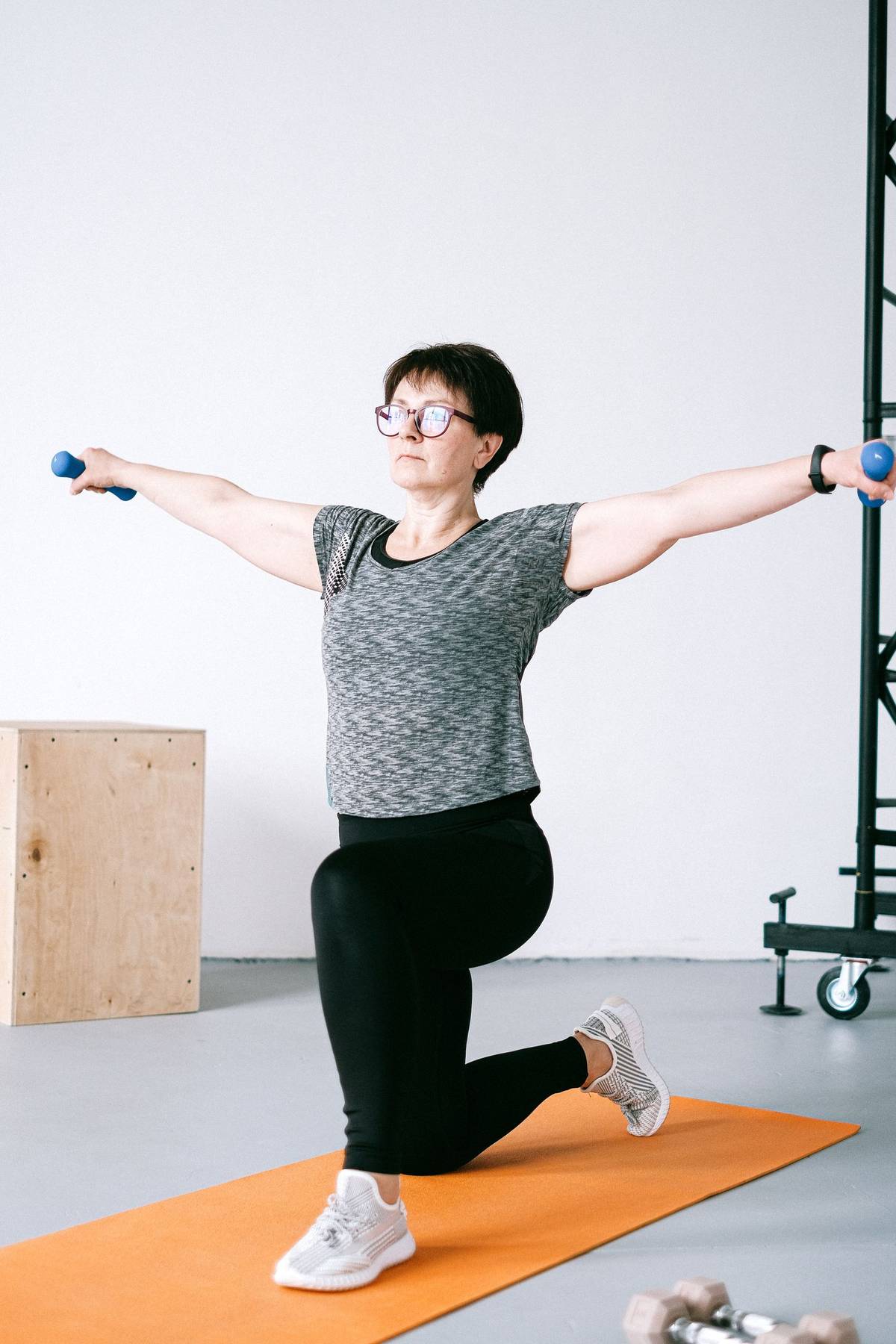
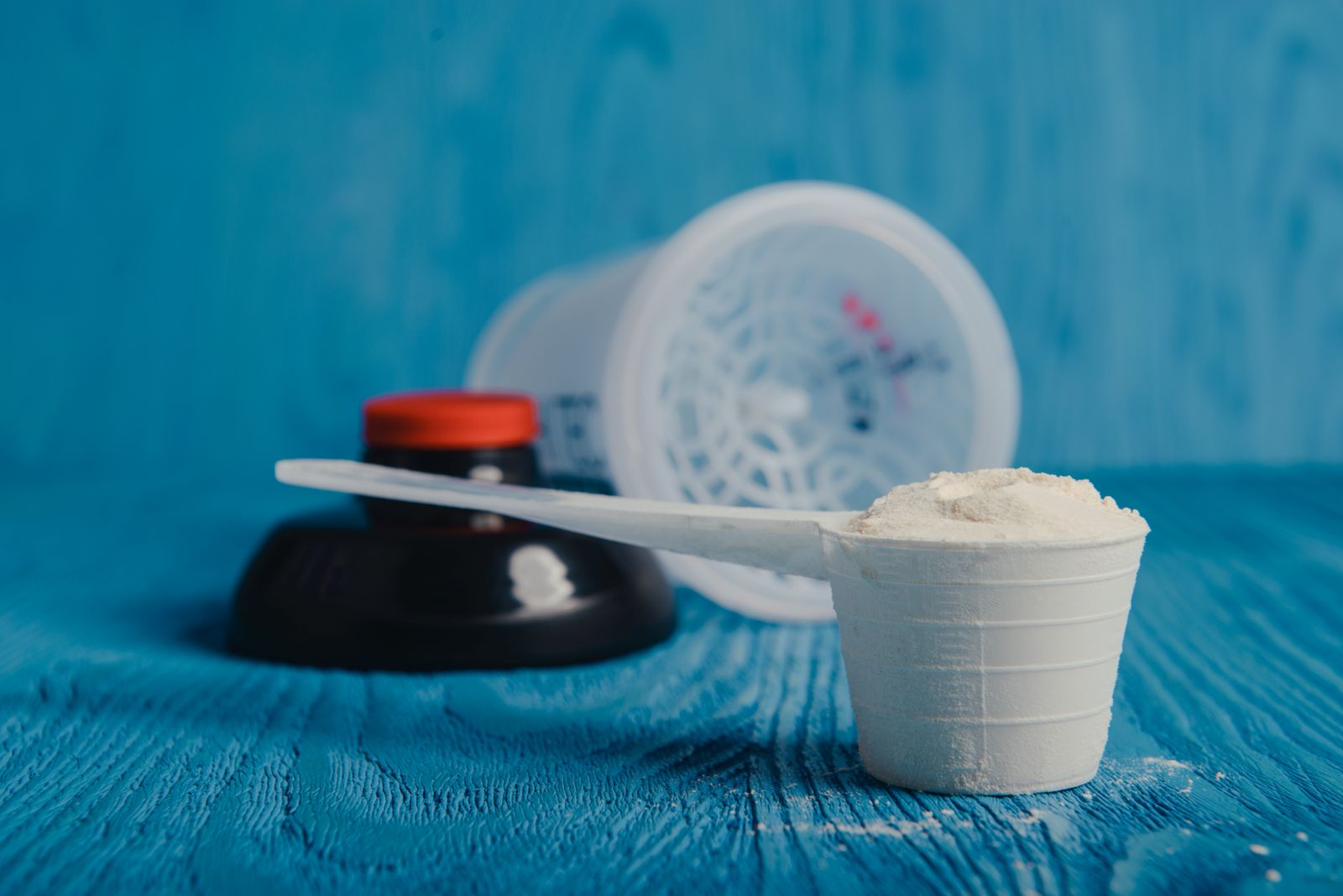
Participants first chose whether to join a supervised exercise-and-diet arm (resistance plus aerobic training three times a week with a modest calorie deficit) or to carry on their usual lifestyle. Within each arm, they were then randomized, double-blind, to 10 grams of creatine monohydrate a day (two 5-gram doses) or a maltodextrin placebo. Body composition was measured with DXA scans — the kind that distinguishes fat from lean tissue — alongside fasting blood samples and a battery of cognitive tests.
The findings, plainly
- Lean tissue rose without training. The non-exercising creatine group gained about 1.1 kg (2.4 pounds) of lean tissue over 12 weeks. The placebo group barely moved. Leg-press and bench-press strength improved too.
- Training plus creatine did better on fat loss. Exercisers on creatine gained about 1.3 kg of lean tissue and reduced body-fat percentage more than exercisers on placebo — reportedly the first study to show creatine adding to fat loss from a diet-and-exercise weight-loss program.
- Some secondary signals moved. The trial reported favorable shifts in selected blood lipids, HbA1c, and selected memory and cognitive test scores — but the authors flag these as exploratory, not settled.
What it doesn't prove
Four honest caveats. First, the exercise arm was self-selected, not randomized — so the only fully trustworthy comparison is creatine versus placebo inside each arm. Second, split four ways, that's roughly 16 people per group: small enough that one unusual responder can tilt an average. Third, the trial measured a great many outcomes, so some "selected" improvements may have moved by chance — the cognitive findings especially need independent replication. Fourth, part of the lean-tissue gain is likely water: creatine draws water into muscle cells, and DXA counts that as lean tissue.
This is also one trial. But a separate 2026 meta-analysis of seven randomized trials in 608 postmenopausal women reached a similar verdict: about +0.37 kg of lean mass and +7.5 kg on leg-press strength — with the clearest benefits at 5 grams or more a day combined with resistance training, and no measurable effect at 3 grams or less without training. That convergence is worth noting.
What it means after 40
If you're dieting in middle age, the standard complaint is that the scale moves but some of what left was muscle. This trial is early but genuine evidence that creatine may help you keep lean tissue while losing weight — and the meta-analysis suggests it matters most when paired with resistance training at a sensible dose.
The practical version: creatine is cheap and the authors report it was well-tolerated over the 12 weeks, but it is not a reason to skip training — the group that exercised still got better results, and resistance work remains the strongest evidence-based way to keep muscle. Ten grams a day is higher than the usual 3–5 gram recommendation; if you have kidney disease, talk to your clinician first, and MedlinePlus's standing advice applies: supplements don't go through the testing drugs do, so tell your healthcare provider what you're taking.
Sources
Texas A&M Exercise & Sport Nutrition Lab, 12-week creatine trial in 64 sedentary adults 45–65, Journal of the International Society of Sports Nutrition, 2026. Coverage and analysis: SciTechDaily — "Researchers Find Creatine's Benefits Extend Far Beyond the Gym"; LiveWell News — "Creatine held on to lean tissue during a 12-week weight-loss program in 64 middle-aged adults"; WellTica — "Middle-aged adults gained muscle on creatine without setting foot in a gym". Supporting: 2026 meta-analysis of creatine in postmenopausal women (7 RCTs, n = 608).
Study cited · Evidence summarized, not medical advice
Keep Going
▶️ Watch the videos: Health After 40 Science on YouTube
🌐 Guides, reviews & free checklists: healthafter40science.com
📚 The Health After 40 Bundle — all five guides in one: get the bundle
Get the Free Weekly Email: